

-
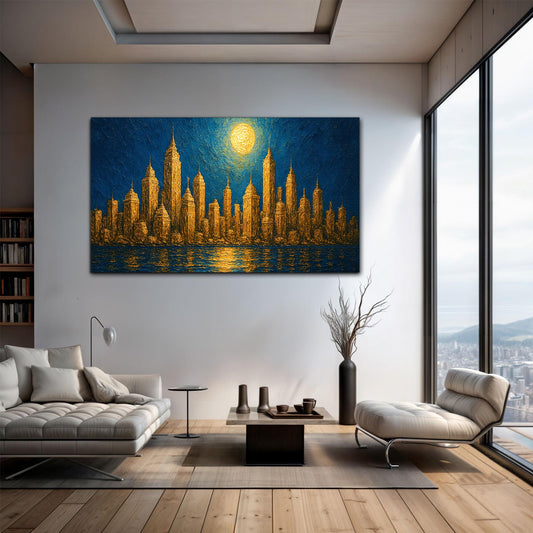
Golden Metropolis Cityscape Impasto Canvas Wall Art
Normale prijs Vanaf $69.99 USDNormale prijs$119.99 USDAanbiedingsprijs Vanaf $69.99 USDAanbieding -
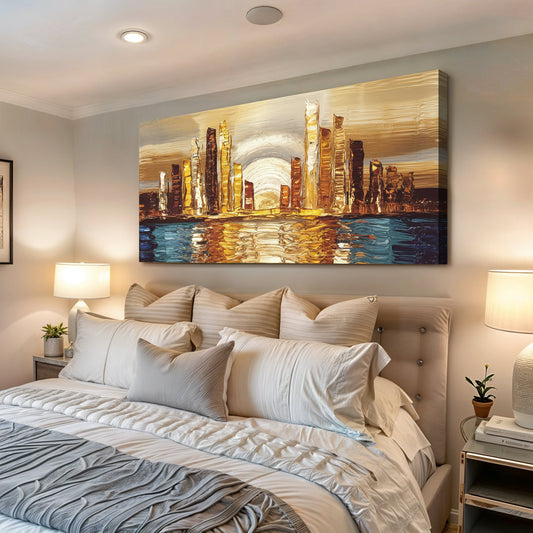
Golden Metropolis Abstract Impasto Canvas Wall Art
Normale prijs Vanaf $69.99 USDNormale prijs$119.99 USDAanbiedingsprijs Vanaf $69.99 USDAanbieding -

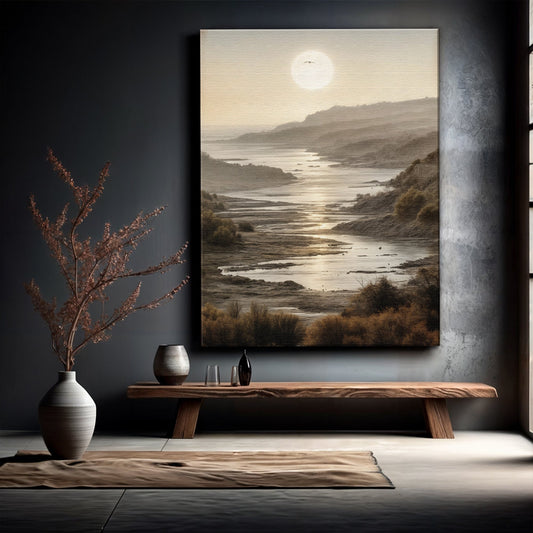 Aanbieding
Misty Shores Coastal Impasto Wall Art
Normale prijs Vanaf $69.99 USDNormale prijs$99.99 USDAanbiedingsprijs Vanaf $69.99 USDAanbieding -

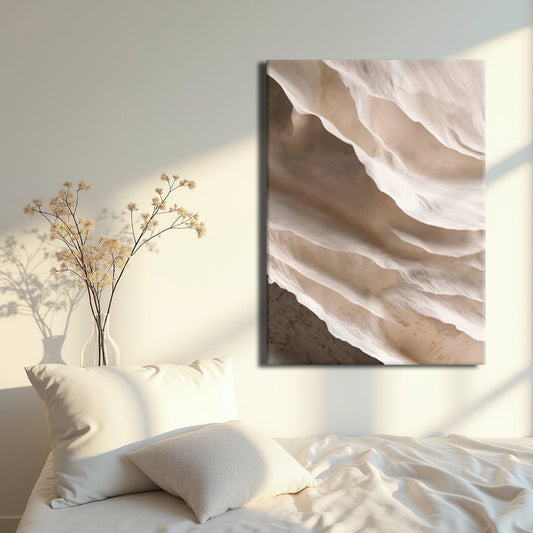 Aanbieding
Light Neutral Impasto Canvas Wall Art
Normale prijs Vanaf $69.99 USDNormale prijs$99.99 USDAanbiedingsprijs Vanaf $69.99 USDAanbieding -

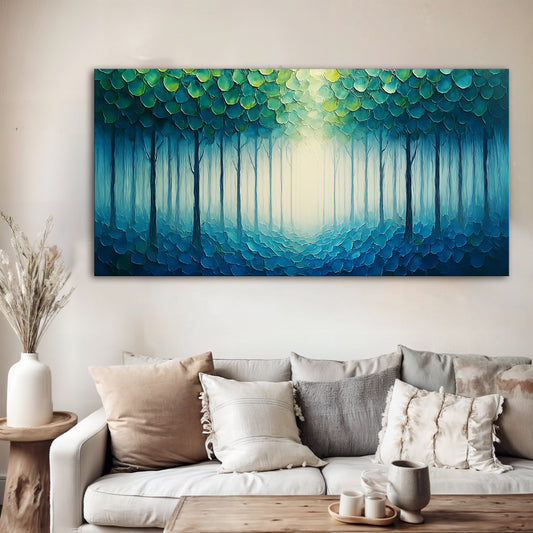 Aanbieding
Forest Whispers Impasto Canvas Wall Art
Normale prijs Vanaf $69.99 USDNormale prijs$119.99 USDAanbiedingsprijs Vanaf $69.99 USDAanbieding -

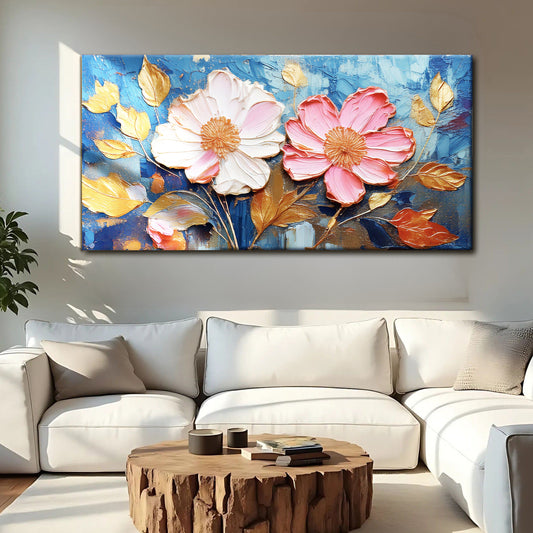 Aanbieding
Golden Petals Impasto Wall Art
Normale prijs Vanaf $69.99 USDNormale prijs$119.99 USDAanbiedingsprijs Vanaf $69.99 USDAanbieding -
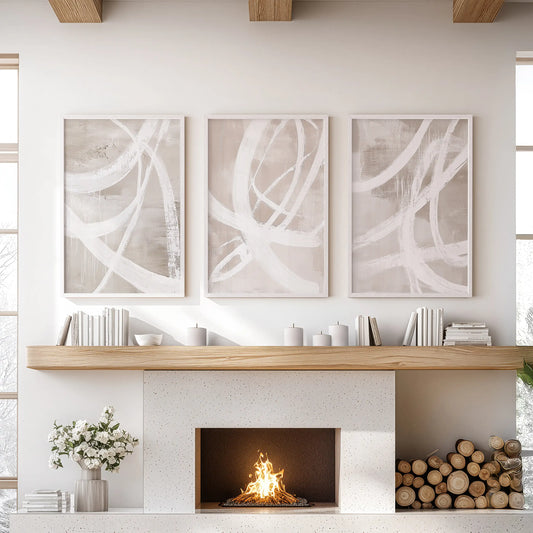
Neutral Abstract Wall Art Set of 3 Brush Stroke Prints
Normale prijs Vanaf $34.37 USDNormale prijs$38.19 USDAanbiedingsprijs Vanaf $34.37 USDAanbieding -

 Aanbieding
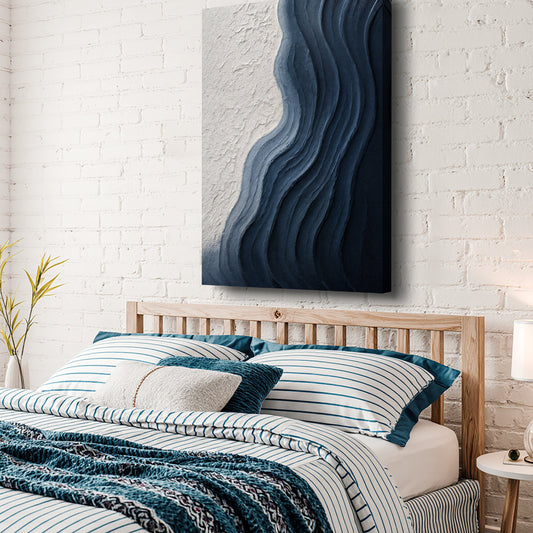
Abstract Minimalist Wave Impasto Wall Art
Normale prijs Vanaf $69.99 USDNormale prijs$99.99 USDAanbiedingsprijs Vanaf $69.99 USDAanbieding -
Pebble Tides III Textured Abstract Canvas Wall Art
Normale prijs Vanaf $199.99 USDNormale prijs$290.00 USDAanbiedingsprijs Vanaf $199.99 USDAanbieding






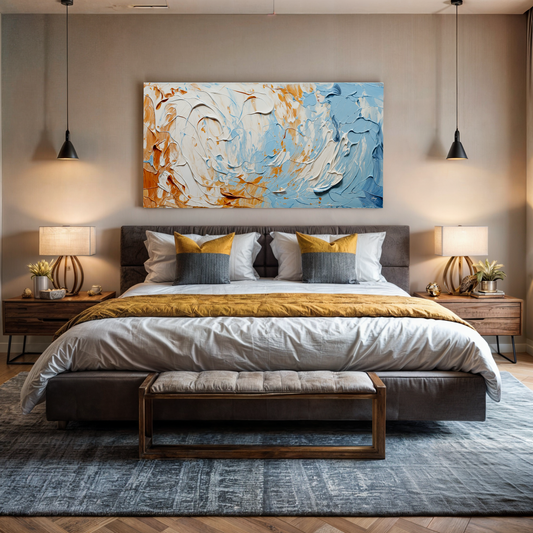
Flat walls feel finished the moment you add depth. Textured wall art does exactly that: layered brushwork, visible strokes, plaster-look surfaces, and organic grain that catch the light and shift as you move through the room. This collection gathers designs built around that sense of tactile depth, in a range of formats and sizes from 5x7" to 28x40". Pick a piece that gives the wall something to say without a single word on it.
This collection is for the person who is tired of art that looks printed and wants art that looks made. You have noticed how a textured piece pulls a room together in a way a flat graphic never quite does. You are styling a living room, warming up a minimalist space, or filling a wall that has felt empty for too long. Texture gives you richness and warmth even in a neutral palette, which is why designers reach for it when a room feels correct but cold.
How to Choose Textured Wall Art for Your Space
Texture comes in a few distinct looks, and the right one depends on the mood you are after. Brushstroke and impasto-style designs mimic thick, loaded paint: bold, expressive, full of movement. They anchor a room and read well from across it. Plaster and stone-look pieces lean quiet and architectural, all soft shadows and matte, earthy surfaces, and they pair beautifully with wabi-sabi, Mediterranean, and warm-minimalist interiors. Organic and natural-texture designs (linen weaves, sand, wood grain, layered washes) bring an understated calm that works almost anywhere.
Palette decides how loud the texture speaks. Neutral textured art in cream, sand, taupe, and charcoal adds depth without competing with your furniture, which is why it is consistently the most versatile choice. Richer, high-contrast textured pieces become a focal point, the kind guests notice and ask about. If you are unsure, start with the dominant tone already in your room and look for a textured design that echoes it with one or two unexpected accents.
Format matters more with texture than with almost any other style, because the surface changes how the light behaves. Canvas absorbs light and reads soft and gallery-like, so brushstroke and impasto designs feel especially convincing on it. Framed prints deepen contrast and let shadow detail pop. At larger sizes, a textured piece stops being decor and becomes the reason the room feels finished. Every design here is built to work as a standalone statement or as part of a layered gallery wall.
What Size Textured Wall Art Do You Need?
The most common mistake with textured art is going too small, which flattens the effect. A quick rule: your art should fill roughly two-thirds the width of the furniture below it. Measure the wall, not the vibe.
Above the couch: a single 24x36" or 28x40" textured piece creates a focal point without overwhelming the seating area. For wider sofas, two coordinating pieces with a couple of inches between them give you a layered, collected look.
Above the bed: go wide and go calm. Match or slightly exceed the width of your headboard, and lean toward soft plaster-look or organic textures here, since this is where you wind down. A 24x36" suits queen and king beds; an 18x24" works for twin or full.
Entryway, hallway, or home office: smaller formats shine in tighter spaces. An 11x14" or 16x20" framed textured print at eye level (center of the art around 57 inches from the floor) gives a hallway purpose without crowding it. Behind a desk, textured art adds warmth and depth to video calls without pulling focus.
Sizes here run from 5x7" up to 28x40", so you can find a small accent for a shelf ledge or a statement piece for the main wall. Textured art also makes a smarter gift than people expect. Because the appeal is about feel and depth rather than a specific subject, it sidesteps the "will they like this exact thing?" problem, and it works for housewarmings, birthdays, and new-home moves.
About Our Sparkycare Textured Line
Alongside the partner pieces in this collection, Sparkycare also makes its own line of wall art. It is available as framed prints in a solid pine frame with shatterproof plexiglass and four frame colors (White, Natural Wood, Dark Wood, and Black), as canvas and framed canvas, and in premium acrylic and natural wood where a design calls for it. Every Sparkycare piece is printed with fade-resistant, archival-quality inks and a designer-selected finish chosen to suit the texture, and arrives ready to hang. Each Sparkycare order includes a Certificate of Authenticity and is backed by our 30-Day Money-Back Guarantee. Free shipping is available.
Textured Wall Art: Common Questions
What is textured wall art?
Textured wall art refers to designs built around the appearance of depth and surface: visible brushstrokes, plaster and stone looks, layered washes, and organic grain. On a printed piece, that texture is rendered into the artwork itself, so it reads rich and tactile while still shipping flat and ready to hang. Canvas formats make the effect read most convincingly because of how the surface handles light.
Which format is best for textured wall art?
Canvas is the popular choice for brushstroke and impasto designs because it absorbs light and gives a soft, gallery feel. Framed prints deepen shadow and contrast, which makes plaster and stone-look textures pop. For a warm, organic surface, natural wood prints let real grain interact with the design. Each format changes how the same textured piece feels on the wall, and all of them arrive ready to hang.
Does textured wall art work in a minimalist room?
It is one of the best ways to keep a minimalist room from feeling cold. A single neutral textured piece adds warmth and depth without adding clutter or color noise. Soft plaster looks, linen weaves, and low-contrast washes are the most popular picks for minimalist and warm-minimalist spaces because they read as calm rather than busy.
How do I pick textured art colors that match my room?
Pull two or three tones from your existing space (a rug, a throw, a piece of furniture) and look for textured art that includes at least one of them. You do not need an exact match. Neutral textured designs in cream, sand, taupe, and charcoal work with almost any scheme, which is why they are consistently the most versatile choice.
How can I tell if textured wall art is good quality before buying?
Look for specific material callouts, not vague phrases like "premium quality." Every Sparkycare framed print, for example, uses a solid pine wood frame with shatterproof plexiglass, and Sparkycare prints use archival-quality inks with a finish selected per design. If a listing will not name the frame material or glazing type, treat that as a red flag.
Is textured wall art a good gift?
It is one of the safer art choices for gifting because the appeal is about feel and depth rather than a specific image, so the recipient reads their own meaning into it. Framed prints and canvas both arrive ready to hang, and every Sparkycare order ships with a Certificate of Authenticity, which makes the unboxing feel like an occasion.
Explore More Wall Art Collections
Textured art pairs naturally with other styles. Many textured designs live in the same world as our abstract wall art collection, where color fields and painterly forms take the lead. For a more collected, layered look, browse boho wall art, and for stripped-back, restrained neutral pieces, see minimalist wall art.
Because texture reads best on the right surface, the full range of canvas wall art is worth a look for brushstroke and impasto designs. And if you are working with a big empty wall, our large wall art collection focuses on pieces at the biggest sizes, where texture makes the strongest impression.