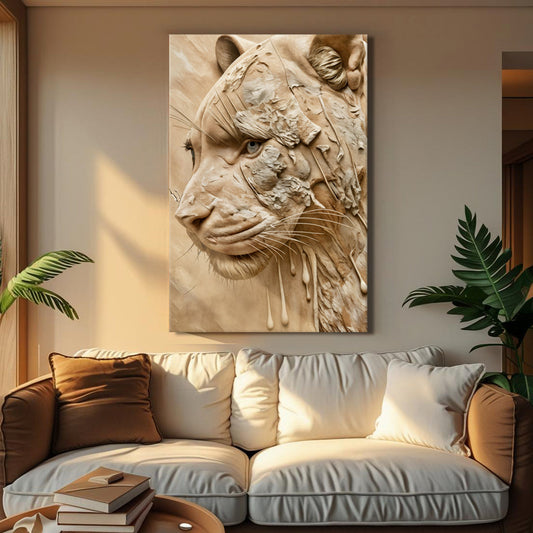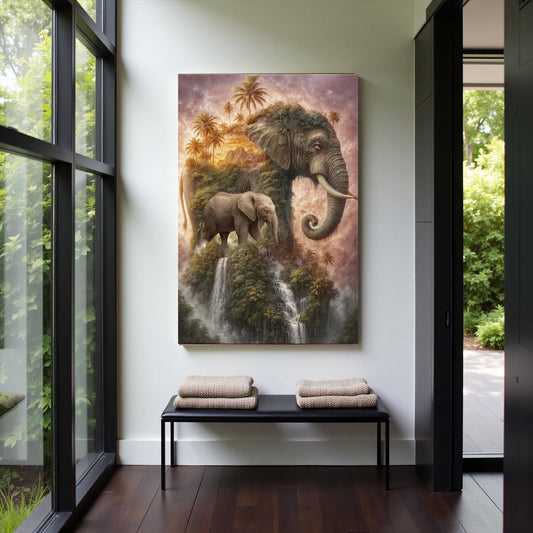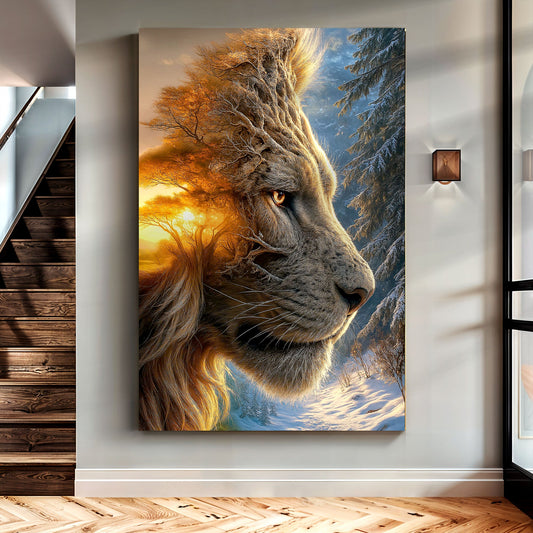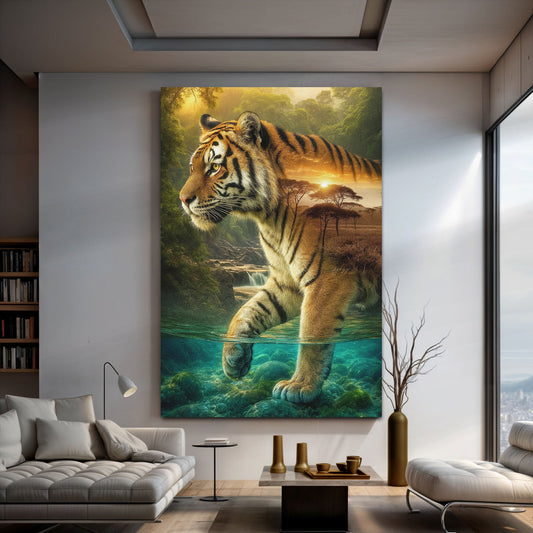

Safarithema voor de babykamer: zo creëer je een junglekamer waar je kind dol op zal zijn
Francisco Barbero
Een safari-babykamer werkt omdat baby's geprogrammeerd zijn om naar gezichten te kijken, en een leeuw, een olifant en een giraf bieden er elke ochtend 3 vriendelijke om te ontdekken. De kunst is om de kamer zo in te richten dat het aanvoelt als 1 rustige, doordachte ruimte en niet als een verzameling dierenspullen. Deze safari-babykamer decoratie-ideeën lopen het hele inrichtingsproces door: welke 4 dieren centraal moeten staan, het kleurenpalet dat het geheel verbindt, en precies hoe groot de kunst moet zijn en hoe hoog je deze boven een wieg van ongeveer 70 bij 130 cm moet hangen. Als je die 3 beslissingen goed neemt, valt de rest van de styling op zijn plek.
Zie het als het casten van een klein verhaal. Je bent niet zomaar een muur aan het decoreren. Je geeft je kind een kudde om mee op te groeien.
Begin met de cast, niet met de spullen
Kies eerst je dieren. Al het andere – de kleuren, het beddengoed, de kunst – volgt uit de cast. Vier is het ideale aantal: genoeg variatie voor het gevoel van een echte savanne, maar weinig genoeg om ze door de kamer te laten terugkeren zonder dat het rommelig wordt. Het klassieke kwartet bestaat uit de leeuw, de olifant, de giraf en de zebra. Elk dier brengt een andere vorm en een ander gevoel met zich mee, precies wat de ontwikkelende ogen van een baby willen volgen.
- Leeuw. De manen zien eruit als een zachte zonnestraal en zijn direct herkenbaar. Een leeuw geeft de kamer een zwaartepunt. Volgens het World Wildlife Fund wordt de savanne gedeeld door enkele van de meest iconische dieren op aarde, en de leeuw is het dier dat de meeste kinderen als eerste benoemen.
- Olifant. Rond, zachtaardig, de veilige favoriet. Afrikaanse olifanten zijn de grootste landdieren op aarde, met een gewicht tot 6 ton, maar in kunst komen ze over als het rustigste personage in de kamer. Dat contrast is een deel van de charme.
- Giraf. De verticale keuze. Een giraf die langwerpig is afgebeeld, vult lastige, smalle muurstroken naast een raam of deur waar niets anders past.
- Zebra. De doorbreker van patronen. Strepen voegen grafische kracht en hoog contrast toe, wat pasgeborenen het duidelijkst zien in de eerste 3 maanden voordat hun volledige kleurvisie zich ontwikkelt.
Je kunt er 1 vervangen voor extra karakter, zoals een aap, een neushoorn of een vriendelijk nijlpaard, maar houd het aantal rond de 4. Blader door een gerichte collectie safari-dierenkunst en stel de cast samen die bij jouw kind past voordat je ook maar verf of beddengoed aanraakt. Door eerst de karakters te kiezen, voorkom je dat de rest van de kamer alle kanten op gaat.

Kies een palet: savanne-rust of jungle-groen
Twee paletten domineren dit thema, en ze sturen de kamer in verschillende richtingen. Beslis welke je wilt voordat je ook maar iets koopt.
Savanne (de rustige route). Zandbeige, warm bruin, zacht crème, subtiel terracotta, een vleugje vergrijsd saliegroen. Dit is de volwassen, genderneutrale look die prachtig fotografeert en goed veroudert. De gids voor kleurenpaletten voor babykamers van Benjamin Moore neigt naar dezelfde kant en merkt op dat lichtgroen, zachtgeel en neutrale schema's allemaal als rustgevend worden ervaren voor een babykamer. Houd de muren licht en laat de dierenkunst de warmte brengen.
Jungle (de speelse route). Rijkere groentinten, bladprints, een paar goud-oker accenten. Deze versie voelt weelderig en een tikkeltje energieker. Het is prachtig, gebruik het alleen met mate: 1 accentmuur in het groen met wit of crème elders voorkomt dat het donker wordt, want een babykamer moet ook om 3 uur 's nachts luchtig aanvoelen. Tegen dat diepere groen fungeert jungle-muurkunst in zachte aquarel als een rustig focuspunt in plaats van als nog een luidruchtig element.
Welke richting je ook kiest, beperk de kamer tot 3 hoofdkleuren plus wit. Een betrouwbare mix is ongeveer 60% neutrale basis op de muren, 30% secundaire tint in het beddengoed en kleed, en 10% accent in de kunst en kleine details. Die 60-30-10 verdeling is wat een gestileerde kamer onderscheidt van een drukke kamer. Kijk voor de kunst zelf naar een bredere set muurkunst voor de babykamer en kies alleen de stukken die binnen je 3 gekozen kleuren vallen. Discipline in de paletfase is wat ervoor zorgt dat de voltooide kamer rustig aanvoelt.
Stem de muurkunst af op de wieg (hier gaat het vaak mis)
De meest gemaakte fout met jungle-muurkunst voor de babykamer is dat het 'gaat zweven': stukken die te klein zijn, te hoog hangen of verloren raken in het midden van een grote muur. De oplossing is simpel rekenwerk gekoppeld aan je wieg, die ongeveer 130 cm breed is.
Je kunst, of je kunstgroepering behandeld als 1 blok, moet minstens de helft van de breedte van het meubel eronder beslaan; tweederde oogt het meest intentioneel. Boven een wieg van 130 cm betekent dit een visuele breedte van ongeveer 70 tot 90 cm. Opties die daarop uitkomen:
- Eén statement-stuk. Een enkele grote print, denk aan 60x90 cm, gecentreerd boven de wieg. Gedurfd, modern en het makkelijkst recht op te hangen.
- Een paar. Twee prints van 40x50 of 45x60 cm, naast elkaar met ongeveer 5 tot 8 cm ertussen, wat oogt als 1 breed geheel.
- Een trio. Drie prints van 30x40 cm op een rij, je leeuw, olifant en giraf op een rijtje als een optocht.
De ophanghoogte is net zo belangrijk als de afmeting. De onderkant van de kunst (of het laagste frame in een groep) moet ongeveer 20 tot 25 cm boven de rand van de wieg hangen – dichtbij genoeg om verbonden te voelen, hoog genoeg om boven het matras en beddengoed te blijven. Als controlemiddel: streef ernaar dat het midden van het geheel op ongeveer 145 tot 150 cm van de vloer hangt, wat de natuurlijke ooghoogte is voor de volwassenen die aan het wiegen zijn. De kleur van de lijst is het laatste kleine detail: witte lijsten vallen weg tegen een lichte muur voor een luchtige look, terwijl natuurlijk hout of zwarte lijsten een zachte omtrek toevoegen waardoor elk dier eruit springt.

Bouw een galerijwand die toch rustig oogt
Een galerij-groepering is het meest flexibele thema-idee voor een dierenkamer omdat het meegroeit met je kind. Voeg elk jaar een stuk toe en de muur vertelt een langer verhaal. De regel die voorkomt dat het chaotisch oogt: behandel de hele cluster als 1 vorm. Schets eerst de buitenste rechthoek, meestal ongeveer 75 tot 100 cm breed boven een commode of naast de wieg, en rangschik de lijsten daarbinnen.
Een paar details die het verschil maken:
- Houd de tussenruimtes gelijkmatig en klein, ongeveer 5 cm tussen grotere lijsten en 4 cm tussen kleinere, zodat de groep als 1 object oogt.
- Varieer in afmetingen, maar herhaal minstens 1 kleur voor de lijsten zodat de muur een geheel vormt en niet willekeurig aanvoelt.
- Veranker de compositie met je grootste dier (meestal de olifant of leeuw) iets uit het midden en balanceer de kleinere stukken eromheen.
- Leg de hele opstelling eerst op de vloer en schuif ermee. Je zult de dingen 3 of 4 keer verplaatsen voordat het klopt, en dat is op het tapijt veel makkelijker dan aan de muur.
Elk ingelijst stuk is direct klaar om op te hangen zodra het binnenkomt, met een splintervrije voorzijde in plaats van glas. Dat detail is essentieel in een kamer waar een kind uiteindelijk zal gaan staan en naar dingen zal reiken. De massief grenenhouten lijsten zijn verkrijgbaar in wit, natuurlijk hout, donker hout en zwart, zodat je ze kunt afstemmen op het palet dat je eerder hebt gekozen.
Balanceer speels en rustig (en houd het veilig)
De beste safari-babykamers hebben een stille spanning: speels genoeg om te verrassen, rustig genoeg om in te slapen. Je bereikt dit door taken te verdelen. Laat de dieren en 1 gedurfd patroon (een zebra-gestreept kussentje, een vloerkleed met bladeren) het speelse gedeelte voor hun rekening nemen, en houd de muren, de wieg en het meeste textiel zacht en met weinig contrast. Als de kamer druk begint te voelen, is de schuldige bijna altijd een overdaad aan concurrerende patronen, niet te weinig dieren. Kies voor één patroon, niet voor één wezen.
Plaatsing is waar speelsheid en functionaliteit samenkomen. Het is oprecht veiliger om kunst naast of in de buurt van de wieg op te hangen in plaats van direct erboven, en ruim buiten het bereik van een staande peuter, zodat er later niets gepakt of naar beneden getrokken kan worden. Zo blijft de wieg zelf ook leeg, wat aansluit bij pediatrische richtlijnen. De American Academy of Pediatrics adviseert via haar aanbevelingen voor veilig slapen op HealthyChildren.org om alleen een hoeslaken te gebruiken, niets anders in de wieg te leggen en zachte voorwerpen en los beddengoed volledig uit de slaapomgeving te houden. Versier de muren, niet het matras.
Doe dit, en de kamer vervult zijn eigenlijke doel. Een baby wordt wakker, vindt de leeuw, vindt de olifant, en de dag begint rustig. Kies je cast, leg je palet vast en hang de kudde op de juiste hoogte. De eerste wildernis van je kleine ontdekkingsreiziger is klaar.
Veelgestelde vragen
Welke dieren horen in een safari-babykamer?
Begin met 4: een leeuw, een olifant, een giraf en een zebra. Samen bieden ze een reeks vormen en contrastrijke patronen die baby's goed kunnen volgen, en dit zijn de dieren die de meeste kinderen als eerste herkennen. Voeg een aap, neushoorn of nijlpaard toe voor persoonlijkheid, maar houd de cast rond de 4 zodat de kamer samenhangend blijft in plaats van overvol.
Hoe groot moet muurkunst voor de babykamer boven de wieg zijn?
Stem het af op de wieg, die ongeveer 130 cm breed is. Je kunst of groepering moet minstens de helft van die breedte beslaan, ideaal gezien tweederde, dus ongeveer 70 tot 90 cm breed. Eén statement-print van 60x90 cm, een paar van 45x60 cm of een trio van 30x40 cm werken allemaal goed. Hang de onderrand ongeveer 20 tot 25 cm boven de wiegrand.
Welke kleuren werken het beste voor een jungle- of safari-babykamer?
Twee paletten domineren. Voor een rustige kamer gebruik je savanne-neutrals: zandbeige, crème, zachtbruin en een vleugje salie. Voor een speelsere kamer gebruik je rijkere groentinten met gouden accenten, licht gehouden met veel wit. Hoe dan ook, beperk de kamer tot ongeveer 3 kleuren plus wit en laat de dierenkunst de warmte toevoegen.
Is het veilig om kunst boven een wieg op te hangen?
Het is het veiligst om kunst naast of in de buurt van de wieg op te hangen in plaats van direct erboven, en hoog genoeg dat een staande peuter er niet bij kan. Houd de wieg zelf leeg. De American Academy of Pediatrics adviseert alleen een hoeslaken zonder zachte voorwerpen of los beddengoed in de slaapruimte. Een splintervrije voorzijde in plaats van glas zorgt voor extra gemoedsrust.
Hoe rangschik ik een safari-galerijwand in een babykamer?
Behandel de hele groep als 1 vorm. Schets een buitenste rechthoek van ongeveer 75 tot 100 cm breed en vul deze met verschillende formaten die minstens 1 lijstkleur delen. Houd de ruimtes gelijkmatig, ongeveer 5 cm tussen grotere lijsten. Leg de opstelling op de vloer en schuif er een paar keer mee voordat je gaat ophangen, en veranker de indeling met je grootste dier iets uit het midden.