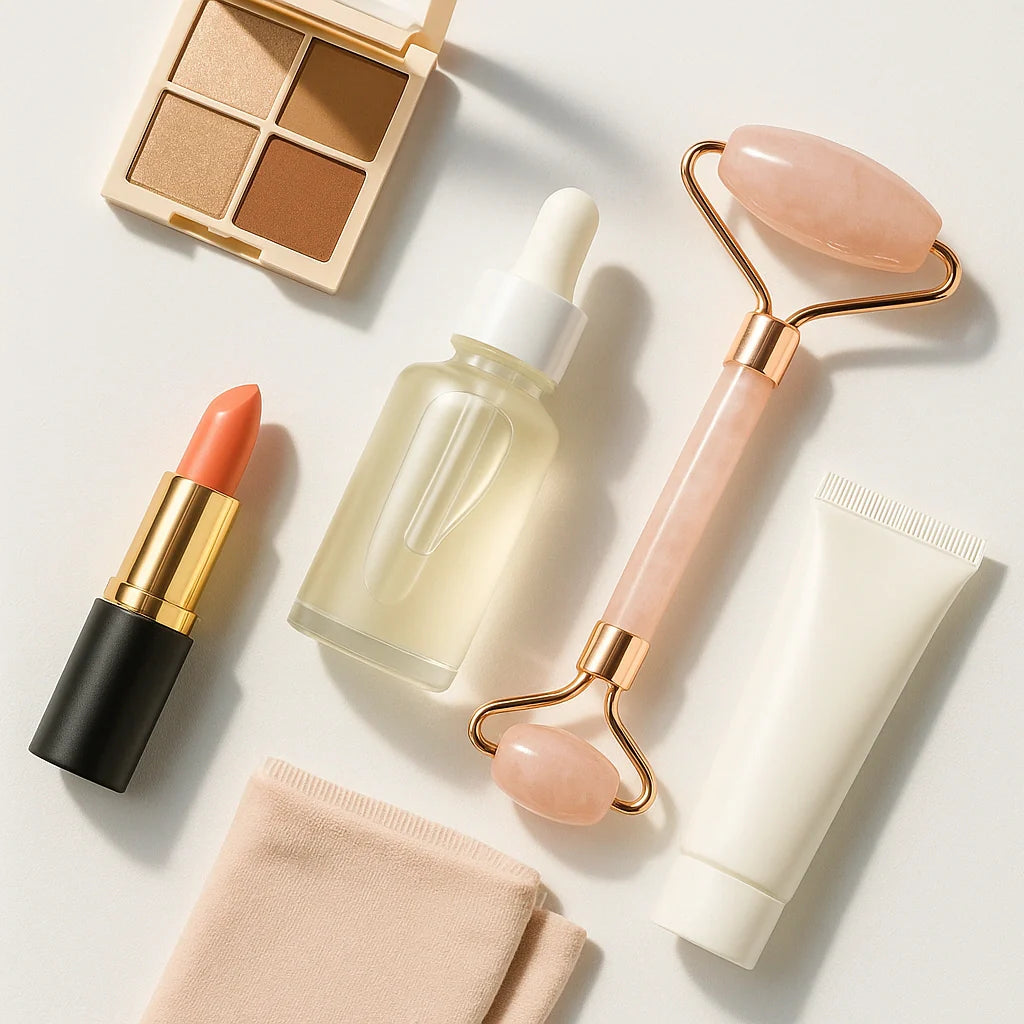


How to Build a Cozy At-Home Spa: A Practical Guide to Rest, Reset, and Self-Care
Anne Vista
Turning your home into a mini spa is an easy, affordable way to press pause and care for yourself—no appointment needed. This guide walks you through simple steps and small upgrades that make relaxation feel intentional and restorative.
Life gets busy, and self-care often slips down the list. Building a personal spa routine helps you carve out calm, reduce stress, and recharge. Below, we cover must-have items, spa-day ideas, soothing bath rituals, DIY treatments, and ways to keep your new routine feeling fresh and manageable.
Home Spa Essentials That Actually Make a Difference
Small, thoughtful items can lift a routine from “nice” to “nourishing.” Gather a few basics that match your needs and you’ll set the stage for real relaxation.
What to Pack in Your At-Home Spa Kit

A practical home spa kit mixes comfort and calm—choose items you'll actually use. Consider these staples:
- Spa Kits: Ready-made kits bundle bath bombs, oils, and lotions so you can relax without overthinking the details.
- Aromatherapy Oils: Research published in ScienceDirect demonstrates that over 70% of studies reported positive effects on anxiety levels with aromatherapy intervention. A few drops of lavender, eucalyptus, or chamomile can shift the mood and ease tension.
- Bath Accessories: Invest in a soft towel, a supportive bath pillow, and a quality sponge or loofah for better comfort and results. Browse our complete Beauty & Health Essentials collection for curated self-care products
How to Pick Natural, Soothing Ingredients
Natural ingredients can be gentler on skin and add a simple, wholesome touch to your treatments. Use these quick guidelines when shopping:
- Choose Organic When You Can: Organic skincare options often reduce exposure to harsh additives that can irritate skin.
- Match Ingredients to Your Skin Type: Reach for aloe vera for sensitive skin, nourishing oils like coconut or jojoba for dry skin, and lighter gels for oilier complexions. Check out our Skin Care collection for gentle, effective formulations.
- Buy from Trusted Sources: Look for clear ingredient lists and reputable brands to ensure quality and safety.
At-Home Spa Day Ideas That Maximize Relaxation

A calm, well-planned spa day helps you relax more deeply. A randomized controlled trial published in Evidence-Based Complementary and Alternative Medicine found that immersion bathing significantly improved mental health, stress levels, and overall well-being compared to shower bathing. Use structure—but leave space for how you feel in the moment.
How to Build a Personalized Spa Schedule
A simple schedule keeps your day flowing without turning self-care into another task. Try these steps:
- Pick a Time: Block out a chunk of time—an hour or an afternoon—when interruptions are unlikely.
- Mix Activities: Balance soaking, skincare, and quiet practices like meditation or journaling for a fuller experience.
- Stay Flexible: Let the plan bend if you’re tired or energized—your spa should adapt to you, not the other way around.
Ambiance Elements That Elevate Your DIY Spa
The details—light, scent, and sound—are the easiest ways to feel transported. Cleveland Clinic research confirms that aromatherapy can help reduce stress and anxiety, with lavender, citrus, and rose being the most studied scents. Focus on sensory comforts:
- Lighting: Soft, dim lighting or candles creates a warm, restful vibe.
- Scents: Diffuse essential oils or light a scented candle to set a calming tone.
- Sound: Gentle music, white noise machines, or nature sound speakers help you relax and block distractions. Enhance your relaxation space with products from our Home Décor collection.
Bath Rituals for Stress Relief and Better Skin
A thoughtful bath can soothe sore muscles and reset your mood. Research from PMC demonstrates that warm baths activate the parasympathetic nervous system, reducing stress hormones like cortisol. Use additives and small rituals to boost the benefits.
Bath Additives and Techniques That Help You Unwind
Choose one or two bath add-ins and a short ritual to get the most from your soak:
- Epsom Salt: While Cleveland Clinic notes that scientific evidence on Epsom salt absorption through skin is limited, many experts recommend it for easing muscle tension and calming the body after a long day. The warm bath itself provides proven stress relief benefits.
- Essential Oils: Lavender or ylang-ylang are relaxing—just a few diluted drops go a long way. Always mix with a carrier oil before adding to your bath.
- Herbal Infusions: Add chamomile or calendula in a muslin sachet to the bath for gentle, aromatic relief.
How to Combine Aromatherapy and Warm Baths
Studies published in the European Journal of Integrative Medicine show that aromatherapy significantly lowered perceived stress levels and improved sleep quality. Aromatherapy plus a warm soak is a simple, effective pairing. Follow these tips:
- Pick Complementary Scents: Lavender and chamomile, or eucalyptus and mint, work nicely together.
- Always Dilute: Mix essential oils with a carrier oil before adding to your bath to protect your skin.
- Be Present: Breathe slowly and focus on sensations—the combination of warmth and scent deepens relaxation.
Simple Self-Care Treatments You Can Do at Home
DIY treatments are accessible, satisfying, and often use ingredients you already have on hand.
Easy DIY Face Masks and Body Scrubs for Healthy Skin

Simple, natural recipes can refresh your skin without fuss. Try these gentle options:
- Honey & Oatmeal Mask: Mix organic honey with ground oats for a soothing, hydrating mask that calms and softens.
- Coffee Scrub: Blend used coffee grounds with coconut oil for an energizing body scrub that buffs and moisturizes.
- Avocado Mask: Mash avocado with plain yogurt for a vitamin-rich treatment that nourishes dry skin. Explore more skincare essentials in our Beauty Tools & Accessories collection.
At-Home Massage and Relaxation Techniques
Small, daily practices add up. Try these to relieve tension and support recovery:
- Self-Massage: Use your hands or a massage tool to work out knots in your neck, shoulders, and feet. Consider jade rollers or gua sha tools for facial massage.
- Breathing Practices: Hydrotherapy research published in Neurotrack shows that warm baths reduce blood pressure and heart rate while slowing stress hormone production. Slow, deep breaths calm your nervous system and enhance relaxation.
- Gentle Stretching: Light stretches release tightness and improve circulation—perfect after a bath. Try a yoga mat for comfortable stretching sessions.
How to Keep Your Home Spa Routine Working Long-Term
Consistency matters more than perfection. Make small, repeatable habits that fit your life.
Practical Tips to Stay Consistent with Self-Care
These simple habits make it easier to stick with your routine:
- Set Reminders: Schedule spa time in your calendar like any other appointment. Use a planner or wellness journal to track your self-care routine.
- Create a Dedicated Spot: A small, tidy corner for your supplies makes it more inviting to follow through. Consider a bathroom organizer or storage caddy.
- Journal Progress: Note what you tried and how you felt—small wins build motivation. Browse our Storage & Organization collection for space-saving solutions.
Adjusting Your Spa Routine for Seasons and Mood
Change keeps self-care interesting. Swap ingredients and practices to match the season or how you're feeling:
- Seasonal Ingredients: Use pumpkin spice bath products or warm spice essential oils in fall, cooling botanicals in summer.
- Match Your Energy: Choose invigorating citrus scents when you need a lift and gentler ones when you need rest.
- Experiment: Try new products or rituals occasionally to discover what truly helps you unwind.
| Essential Item | Purpose | Benefits |
|---|---|---|
|
Spa Kits |
All-in-one relaxation set | Simple, ready-to-use self-care |
| Aromatherapy Oils | Create a calming mood | Supports relaxation and stress relief |
| Bath Accessories | Comfort and convenience | Enhances the bathing experience |
Building an at-home spa is about more than products—it’s about making space for rest and treating yourself with kindness. With a few thoughtful items, a simple plan, and regular small rituals, your home can become a reliable place to relax and recharge.
Frequently Asked Questions
How can I create a spa experience on a tight budget?
You don't need to spend much to get meaningful results. Use Epsom salts for a soothing soak, olive oil as an inexpensive moisturizer, and kitchen staples like yogurt and honey for masks. Reuse candles you already have and play calming playlists from free services—small changes add up. Check out our Under $25 collection for budget-friendly self-care essentials.
How often should I schedule at-home spa days?
Once a week is a great target for a full spa session, but even short daily rituals of 15–30 minutes can be powerful. Research shows that regular immersion bathing provides consistent mental and physical health benefits. Listen to your body and pick a rhythm that feels sustainable rather than demanding.
Can I add mindfulness to my spa routine?
Yes—mindfulness pairs beautifully with self-care. Try a short meditation with a guided app or focused breathing before or during treatments, or pay attention to textures and scents as you apply products. Mindfulness helps you stay present and makes the experience more restorative.
What common mistakes should I avoid when creating a home spa?
Don't skip prep—clear distractions and set up supplies ahead of time. Avoid products that irritate your skin by checking ingredients and doing a patch test with hypoallergenic test kits. Focus on one thing at a time instead of multitasking, and don't underestimate ambiance—lighting and scent matter more than you might think.
How do I make my home spa more eco-friendly?
Choose natural, responsibly made products with transparent ingredient lists. Use reusable towels and refillable containers, cut down on water by shortening baths, and consider DIY treatments made from kitchen ingredients. Supporting sustainable brands also helps reduce your environmental footprint.
Any tips for involving family in a home spa day?
Turn it into low-pressure quality time: set up stations for foot soaks, facials, and simple massages, and let everyone pick what they want to try. Encourage sharing favorite products or snacks and keep activities light and fun so everyone can relax together.
Conclusion
Creating a peaceful, restorative at home spa doesn't require perfection—just intention. Choose a few reliable products, build a flexible routine using proven relaxation techniques, and protect that time for yourself. Over weeks and months, these small rituals add up to better rest, less stress, and a healthier relationship with self-care. Explore our curated spa essentials at SparkyCare to get started and make your home a true wellness sanctuary where you can recharge.


